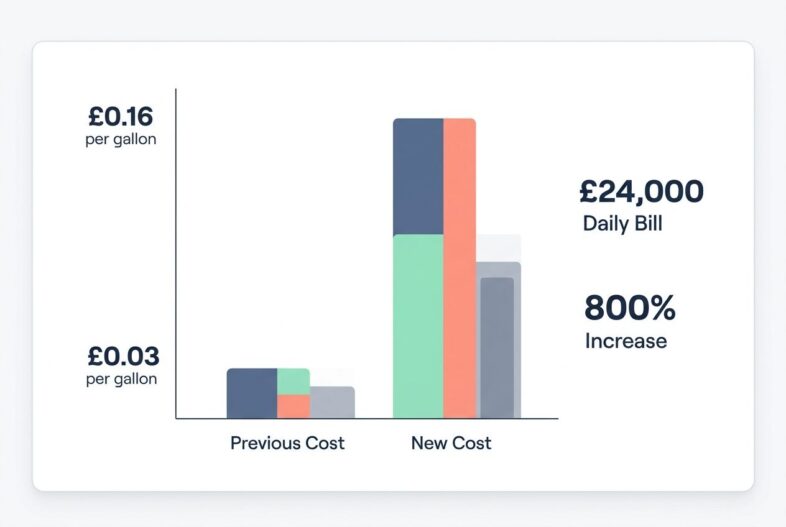

You likely need clear answers about Leachate Treatment Plant Pricing after sudden disposal fee hikes. A Florida landfill saw costs jump from $0.03 to $0.16 per gallon, pushing daily bills above $24,000 in wet seasons.
This post breaks down setup, operating and long-term costs, and shows how reverse osmosis, membrane bioreactor, willow-coppice filters, foam fractionation and onsite leachate treatment change the price.
Read on.
Key Takeaways
- Leachate treatment plant costs include setup, daily operation, and long-term maintenance. For example, a Florida landfill saw disposal fees rise from £0.03 to £0.16 per gallon, with wet season bills over £24,000 per day (SCS Engineers).
- Treatment methods like foam fractionation can remove PFAS at less than a cent per gallon. Reverse osmosis is more costly at $0.10 to $2 per gallon.
- On-site leachate treatment saves transport fees and typically costs 5â10 cents per gallon versus 10â20 cents for off-site options (Waste Connections; Republic Services).
- Regulatory changes increase costs sharply: the US EPA’s move to classify PFOA/PFOS as hazardous may raise industry spending by up to 800%, totalling $8.2 billion each year (NWRA).
- Regular maintenance and energy-saving technologies such as gas-fuelled evaporators help reduce expenses and improve environmental outcomes in sites like Filborna (Sweden) and McDougall Landfill (Canada).
Key Cost Components of a Leachate Treatment Plant
Every landfill leachate treatment system faces distinct expensesâthink of the tools, technology, and workforce needed to purify liquids before safe disposal. From biological reactors like an aerobic biotower to advanced filtration units handling ammonia or heavy metals, each choice shapes what you pay both now and later⦠keep reading for specifics on why these costs matter.
Setup Costs
Land costs and civil works form the largest share of leachate treatment plant costs. SCS Engineers analysed a Florida landfill and used site data to shape the plan. An interim landfill gas fuelled evaporator cut external disposal by 50,000 gallons a day.
The long term design aims to treat nearly 120,000 gallons a day to drinking water standards. Contact SCS Engineers at 3900 Kilroy Airport Way, Suite 300, Long Beach, CA 90806, or call 1 (800) 767-4727, for project details and cost modelling.
These figures feed direct capital estimates for landfill leachate treatment systems and leachate treatment plant costs.
Irrigation and vegetation filter build items add further capital needs. A willow coppice vegetation filter needs a main pipe, lateral pipes at 10 m intervals and flood nozzles spaced 10 m apart, with holding ponds driving large upfront spend.
Cost calculations for such systems reference 2000 price levels in a Swedish study, and Filborna shows how an integrated waste site groups recycling, hazardous waste and composting under one roof.
Choice of ultrafiltration, biological treatment or evaporators affects both leachate purification outcomes and ongoing leachate treatment costs, and regulators, PFAS limits and treatment targets can raise initial budgets.
Operating Costs
Fluctuations drive operating costs for leachate treatment pricing. A Florida landfill now produces about 70,000 gallons daily, and it can spike to 150,000 gallons in the wet season.
Hauling and leachate disposal costs jumped from about £0.03 per gallon, to nearly £0.16 per gallon. That rise pushed daily bills over £24,000 in wet months. Large waste firms quote on-site treatment at 5 to 10 cents per gallon.
They put off-site treatment, including transport, at 10 to 20 cents per gallon. Many sites send flow to a wastewater treatment plant, where conventional treatment costs about US$0.62 per cubic metre.
Foam fractionation handles PFAS at a fraction of a cent per gallon, while reverse osmosis runs from 10 cents to US$2 per gallon.
Site design and process choice change long term costs. Filborna runs about 195,000 cubic metres of landfill leachates each year, with nitrogen near 24 grams per cubic metre. A willow-coppice vegetation filter costs about US$0.34 per cubic metre.
Selling biomass chips trims that to US$0.326 per cubic metre. Commercial fertiliser eats 20 to 30 percent of the vegetation filterâs production costs. Operators use denitrification steps, modified Ludzack-Etting er stages, or an anaerobic biotower to meet permit limits.
Vendors such as Xylem, and agencies like South Central Counties Solid Waste Agency, factor parts, pumps, and liquids management into quotes.
Long-Term Maintenance Costs
Long-term maintenance costs for a leachate treatment plant can be significant. Regular upkeep is key to keeping the system working well. This includes managing contaminants like PFAS, ammonia, and heavy metals.
Neglecting maintenance can lead to more serious problems down the line.
Older willow shoot populations have shown less bark proportion recently. This change leads to better wood fuel quality and may cut down on long-term care needs. The Filborna facility uses gas capture in its combined heat and power (CHP) plant, showing how ongoing maintenance helps with energy recovery systems too.
Keeping up with these practices ensures effective operation over time, which also supports environmental compliance at places like McDougall Landfill or Green Lane Landfill.
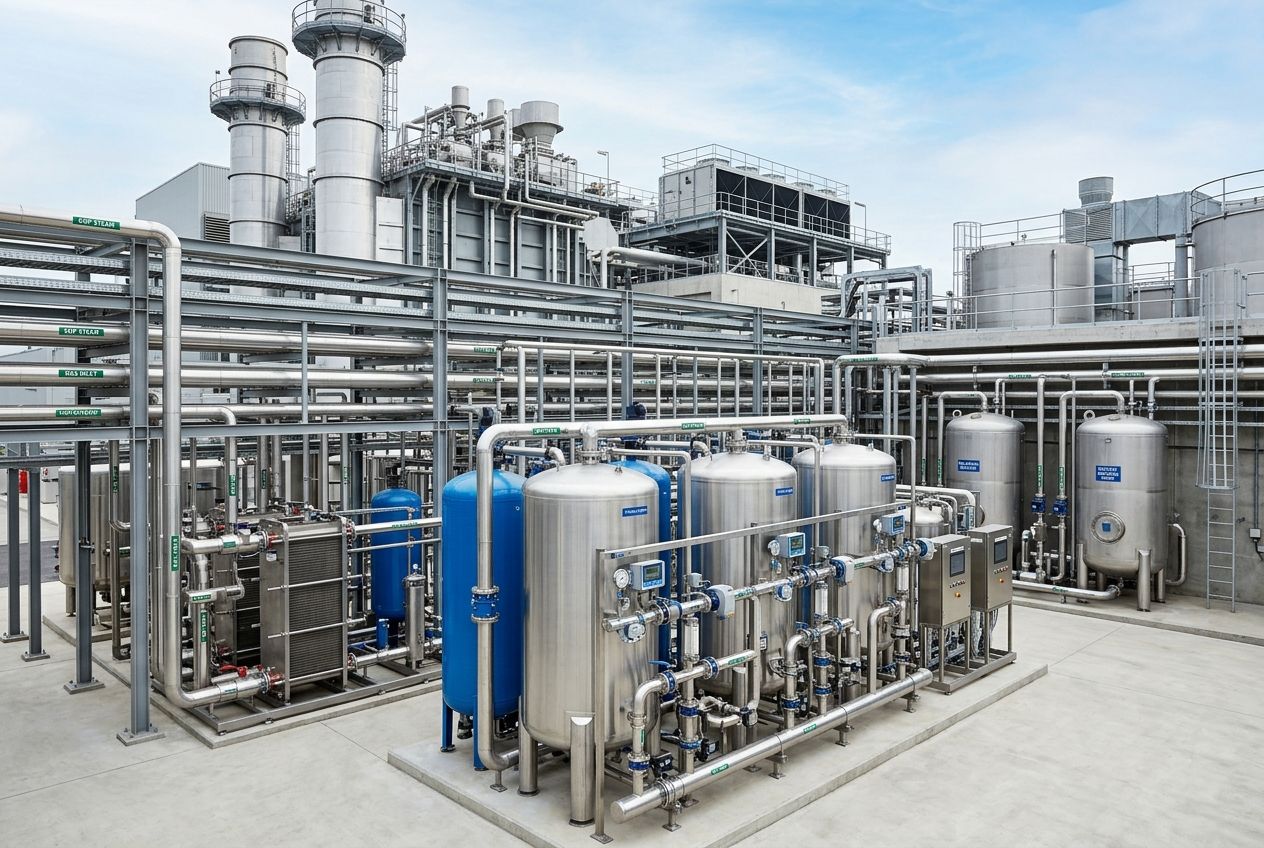
Factors Influencing Leachate Treatment Costs
Leachate treatment costs vary by how much waste there is and what technology you use. Rules set by local authorities also affect pricingâthese rules can change frequently, adding extra layers to the cost.
Volume of Leachate
Leachate volume plays a big role in treatment costs. For example, the Florida landfill produces about 70,000 gallons daily. During the wet season, that number can rise to 150,000 gallons.
More rainfall means more leachate; it can push disposal costs over £24,000 on busy days. Across the waste industry, around 15 to 20 billion gallons of leachate are made each year.
In Sweden, the Filborna facility handles an impressive average of 195,000 cubic metres annually. High volumes also affect how plants design their systems for treatment and irrigation.
The Swedish system supports a willow plantation area of 36 hectares based on expected leachate amounts. Understanding these figures helps companies manage costs better and meet regulatory requirements effectively.
Treatment Technology Used
Different methods help treat leachate. One common method is foam fractionation. This technique effectively removes PFAS, a harmful chemical found in many waste products. It concentrates PFAS for cheaper disposal.
On the other hand, reverse osmosis can also be used but at a higher cost. This technology reduces contaminated leachate by four times, making it a more expensive choice.
Membrane bioreactors and ultrafiltration are alternatives as well. These options may provide better results depending on the contaminants present. SCS Engineers plan to use these advanced technologies for their long-term projects, ensuring they manage varying pollutants efficiently.
Each treatment type has its pros and cons; choices often depend on budget and waste levels at sites like Hopewell or St Thomas in Canada.
Regulatory Requirements
Regulatory requirements play a significant role in leachate treatment. The Environmental Protection Agency (EPA) has labelled PFOA and PFOS as hazardous. This affects how plants must treat these substances.
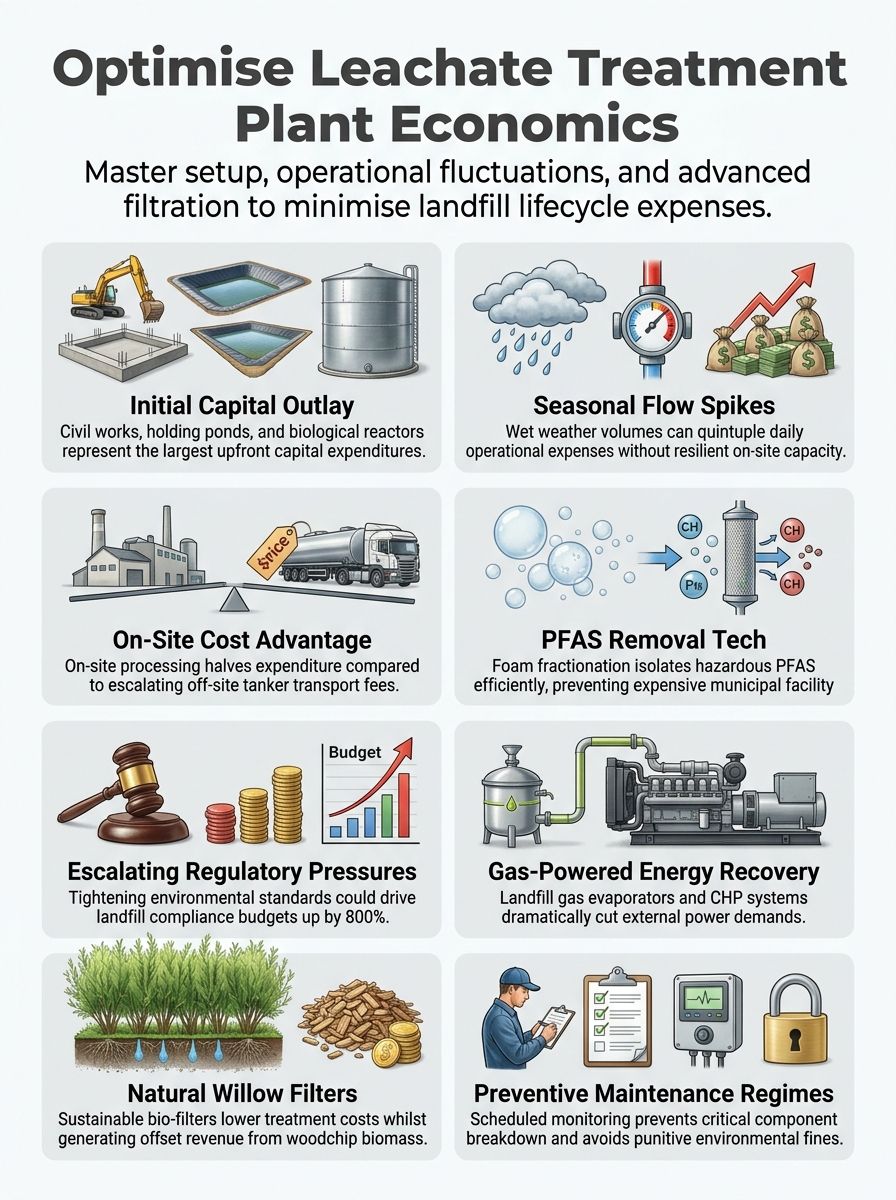
Now, costs can escalate for removing them. The National Waste and Recycling Association (NWRA) predicts that costs could increase by 400% to 800%. This means an annual expense of $966 million to $8.2 billion for municipal solid waste landfills.
Wastewater treatment plants are becoming reluctant to accept leachate due to concerns about PFAS contamination. Currently, there is no clear enforcement on publicly owned landfills and treatment plants from the EPA, though industry-wide standards remain uncertain.
Vermont’s extended producer responsibility plan highlights stricter rules in managing household hazardous waste too, reflecting growing regulatory trends in leachate management overall.
Cost Comparison: On-Site vs Off-Site Treatment
On-site treatment can save money by reducing transport fees for leachate, while off-site disposal often has higher costs due to transportation and processing charges. Curious about how these choices affect your budget? Keep reading!
On-Site Treatment Costs
On-site treatment of leachate can be cost-effective for large waste companies. These costs range from 5 to 10 cents per gallon. For example, a Florida landfill processes up to 120,000 gallons daily at its facility, making on-site treatment feasible.
Systems like foam fractionation also help reduce disposal costs to just a fraction of a cent per gallon.
These treatments cut down the need for external disposal too. An interim solution using a landfill gas-fuelled evaporator reduced this volume by an impressive 50,000 gallons each day.
Advanced methods are emerging as well; supercritical water oxidation is gaining traction in on-site leachate management strategies. With proper planning and technology use, companies can manage their leachate efficiently and affordably.
Off-Site Transportation and Disposal Costs
Off-site transportation and disposal costs can accumulate rapidly. For instance, in Florida, leachate disposal costs increased from £0.03 per gallon to nearly £0.16 per gallon when sent off-site.
During the wet season, this landfill faced expenses exceeding £24,000 daily due to high volumes needing off-site transport.
Waste Connections and Republic Services observed that most leachate is directed to publicly owned wastewater treatment plants (WWTPs). Many of these plants are now refusing it because of PFAS concerns.
Sending leachate for reverse osmosis off-site can cost between 10 cents and $2 per gallon depending on various factors like distance and facility fees. Operators may incur extra charges if they opt to destroy foam fractionation concentrate instead of recirculating it; doing so can double disposal costs.
This situation illustrates how transportation affects overall pricing for waste companies operating landfills in locations like St Thomas or Perry Sound, Ontario.
Strategies to Optimise Costs in Leachate Treatment
To cut costs in leachate treatment, use energy-saving technologies and advanced filtration systems. Regular maintenance also plays a big role in keeping expenses low. Want to learn more about these strategies?
Energy-Efficient Technologies
Energy-efficient technologies play a key role in leachate treatment. At the Florida landfill, they use a gas-fuelled evaporator. This system reduces outside energy needs and aids with disposal.
Other methods, like membrane bioreactors, are being explored for their high efficiency.
Filbornaâs bioreactor cell collects gases to power a combined heat and power plant. This improves energy use while treating waste. Supercritical water oxidation is another method under development; it promises effective destruction of leachate and effluent.
These advancements demonstrate how innovation can enhance both cost savings and environmental benefits in leachate treatment plants across Canada and beyond.
Use of Advanced Filtration Systems
Advanced filtration systems play a key role in treating leachate. These systems include reverse osmosis, membrane bioreactors, and ultrafiltration. Each method has its strengths. Foam fractionation can efficiently remove PFAS, concentrating contaminants by 40,000 times.
This makes management much easier.
The integrated approach at the Filborna facility uses multiple technologies for better results. The Swedish willow-coppice system also shows promise; it filters leachate through soil and plant uptake effectively.
Research indicates that using willow vegetation can outperform many standard techniques in reducing leachate concentrations.
Regular Maintenance Planning
Regular maintenance planning is vital for effective leachate treatment. It keeps the system running well and meets regulatory demands.
- Scheduled Inspections: Regular checks help catch issues early. Inspecting equipment often prevents costly repairs later.
- Contaminant Monitoring: Tracking contaminant levels ensures the system works properly. This helps adjust operations as needed, keeping effectiveness high.
- Maintenance Records: Keeping detailed records allows for better planning. Reviewing past maintenance helps identify trends and improve future performance.
- Staff Training: Well-trained staff can spot problems quickly. Ongoing training ensures everyone understands best practices in leachate management.
- Budget Allocation: Setting aside funds for maintenance is crucial. Effective cost planning avoids unexpected financial strain over time.
- Use of Technology: Advanced monitoring systems provide real-time data on performance. These tools can alert staff to potential issues before they escalate.
- Environmental Management Practices: Incorporating sustainable practices reduces long-term costs and environmental impact. This includes using willow filter systems that lower maintenance needs compared to traditional facilities.
- Adaptability to Change: Be prepared for fluctuating contaminant levels or new regulations, which may require adjustments in the treatment process or additional resources.
- Seasonal Preparations: Adjustments in maintenance plans should be made based on weather conditions, especially during extreme weather events that may affect leachate quality.
- Annual Reviews: Conduct thorough annual assessments of operational efficiency and maintenance strategies to ensure continuous improvement in plant performance and compliance with standards set by authorities like the Pennsylvania Department of Environmental Resources.
Conclusion
Leachate treatment costs are intricate but essential. They encompass setup, daily operation, and long-term care. Spending time to understand these factors aids in making informed choices for managing leachate.
Employing innovative technologies can reduce expenses and meet safety standards too. Effective leachate management leads to improved environmental outcomes and savings in the long run.
FAQs
1. What drives the setup cost of a leachate treatment plant?
Setup cost rises with site work, design and plant size. Treatment choice matters, for example a modified ludzack-ettinger process costs more than simple filters. Permit work for potws links adds fees. High organics load raises tank and pump needs. Look at studies on pubmed.ncbi.nlm.nih.gov for cost data. Firms like the engineering firm Conestoga-Rovers and Associates or the recycling firm Northwest Scanian Recycling Company offer real quotes from places such as st. thomas, on, canada, perry sound, on, canada and helsingborg.
2. What are the main operating costs to expect?
You pay for power, labour, chemicals and routine maintenance. Sludge handling and disposal also add cost. Small IT tools add fees, including software and cookies for online data. Costs vary with load and control needs, and organics levels push costs up.
3. How do I plan long-term costs and do an economic analysis?
Run a clear economic analysis that covers 10 to 20 years. Include replacement of pumps, membranes and control systems. Factor in rising energy prices and stricter limits for organics. Talk to experts such as Bob Gardner or Sam Cooke for local estimates. Use simple models, stress test them, and update numbers often.
4. Who can help with realistic estimates and funding?
Consultants and engineers can give detailed bids. Contact Kollan Spradlin or firms like Conestoga-Rovers and Associates for site visits. Look for grants, or salix loans, to cut capital cost. Read peer work on pubmed.ncbi.nlm.nih.gov and compare case studies from Northwest Scanian Recycling Company.
5. Are small plants cheaper per litre treated?
Not always. Small plants cost less up front, but they often cost more per litre to run. Complex processes, for example modified ludzack-ettinger units, need skilled staff and more checks when organics are high. Compare life cycle numbers, and use local examples, such as projects in helsingborg, to guide your choice.
Ramp Method of Waste Disposal – Landfill Guide & Techniques
The ramp method optimizes landfill operations by creating an inclined surface, allowing efficient waste compaction and daily cover application. Unlike traditional methods, it requires minimal excavation, reducing costs and extending landfill lifespan. Proper implementation and equipment maintenance are key to effective ramp method performance in various terrains…
Inert Waste Acceptance Criteria
Inert Waste Disposal and the Requirements for Acceptance Testing The definition of inert waste in the UK, is very restricted by the waste regulations to ensure that when inert waste is disposed to land it will not produce pollution as contaminated groundwater or polluted run-off. This is important as substantial volumes of inert waste remain which […]
Bulldozers Vs Landfill Compactors For The Best Waste Compaction Density
Managing waste at landfills needs proper compaction. Many waste managers struggle to pick between bulldozers and landfill compactors for this job. However, an experienced landfill operator knows that these machines are used best to serve different roles in waste management. Read on because choosing the wrong machine can lead to wasted void space and higher […]
Understanding the Benefits and Drawbacks of Sanitary Landfill Sites
In this article, you will find out about the advantages and disadvantages of sanitary landfills. Deciding on the best way to handle rubbish, is a common challenge, especially in developing nations. Sanitary landfills offer one solution, but they come with pros and cons. This article will help you understand these landfill sites better, including their benefits and drawbacks. Stay […]