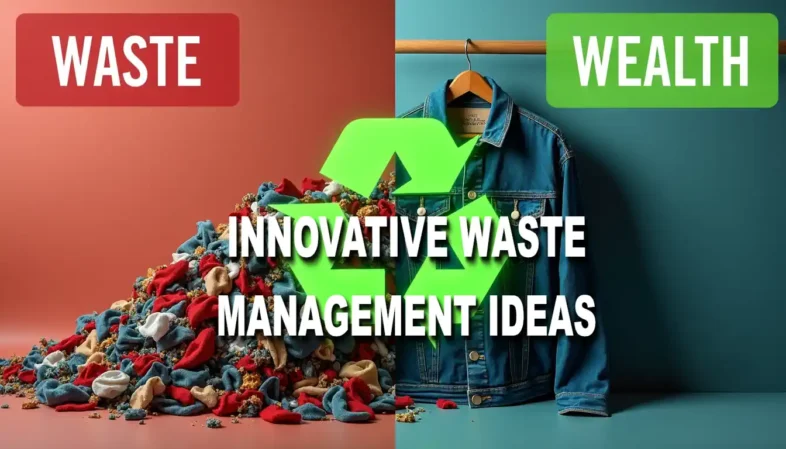

Everyone wants to live in a clean world, but rubbish makes it hard. We know that smart ways to handle waste can change the future.
Innovative waste management leverages advanced technology and circular economy models to minimize landfill usage and reclaim valuable resources. Key trends include AI-powered sorting facilities, smart IoT bins for optimizing collection routes, and waste-to-energy conversion like anaerobic digestion. This article will show you new ideas to manage waste better.
Keep reading for exciting solutions.
Key Takeaways
- Cities around the world are using smart technologies like pneumatic waste collection systems and AI waste sorting to manage rubbish better. These methods are cleaner, faster, and make recycling easier.
- Innovative tech, including solar – powered trash compactors and plasma gasification, turns waste into valuable resources like electricity. This helps cut down on landfill use and reduces harm to our planet.
- Apps that help people recycle more effectively, and food waste recycling processes, show how technology can tackle specific types of waste. Biomethane from organic waste even fuels transport, showing a move towards sustainability.
- Places like Singapore, Barcelona, and South Korea lead in adopting these new technologies. Their success shows us how smarter waste management can clean up cities and help the environment.
- Technologies such as carbon capture for CO2 reduction in industries point towards future strategies for tackling climate change while managing waste efficiently.
The Importance of Innovative Waste Management
Innovative waste management is key to tackling climate change and reducing harm to our planet. It turns trash into treasure, making electricity or heat from what we throw away. This smart process cuts down on the need for new resources, which helps save forests and oceans.
Using advanced tech like artificial intelligence for sorting and pneumatic systems for moving rubbish makes recycling easier and more effective.
I’ve seen cities transform with these new methods. Solar-powered bins that squash trash mean they need emptying less often, cutting down on fuel use by garbage trucks. Apps help us find where to recycle e-waste or old clothes, leading to less waste in landfills.
Every step towards smarter waste management means cleaner air, less resource depletion, and a healthier environment for all of us.
Top Futuristic Waste Management Technologies
Pneumatic waste collection system uses air pressure to transport waste through underground pipes. AI waste sorting employs artificial intelligence to efficiently separate recyclables from non-recyclables.
1. Pneumatic waste collection system
Cities are using pneumatic refuse collection to keep streets clean. This system uses underground pipes to move rubbish and recyclables quickly from homes to a central location. It’s faster and cleaner than traditional trash collection methods.
Trucks aren’t needed as much, which cuts down on traffic and pollution.
This technology also helps reduce greenhouse gas emissions by lowering the number of vehicles on the road. Workers sort waste at one site, making recycling easier. Pneumatic systems are showing up in smart cities worldwide, helping them become more sustainable for the future.
2. AI waste sorting
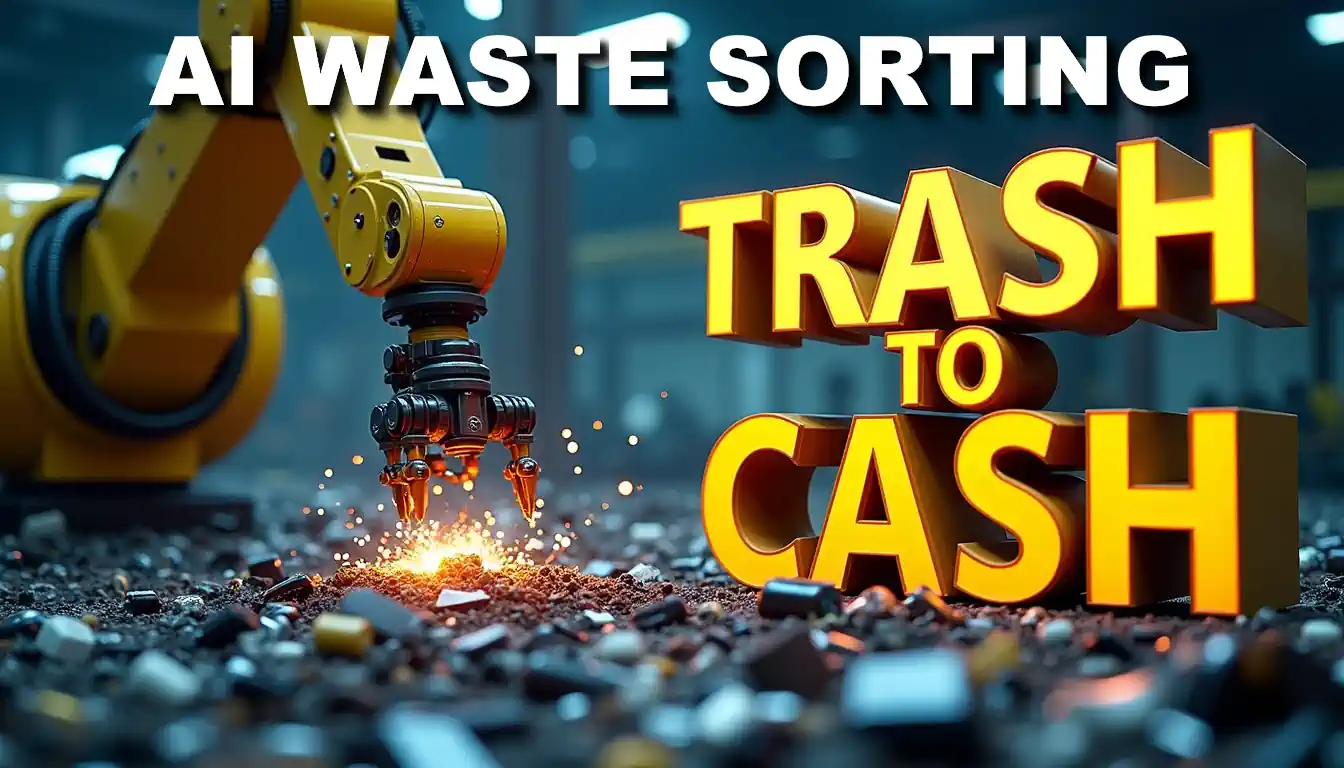
AI waste sorting uses smart technology to separate rubbish. Machines learn to identify different types of waste such as plastic, metal, and paper. This makes recycling easier and more effective.
Robots with vision systems scan the trash, picking out recyclable materials quickly. They work faster than humans and can operate all day.
This technology helps reduce the amount of waste going to landfill sites. It also improves recycling rates by ensuring more items are correctly sorted. After items are sorted, they’re ready for the next step – processing in smart waste bins or solar-powered compactors.
Next up is how smart bins make a difference in managing our rubbish.
3. Smart waste bins
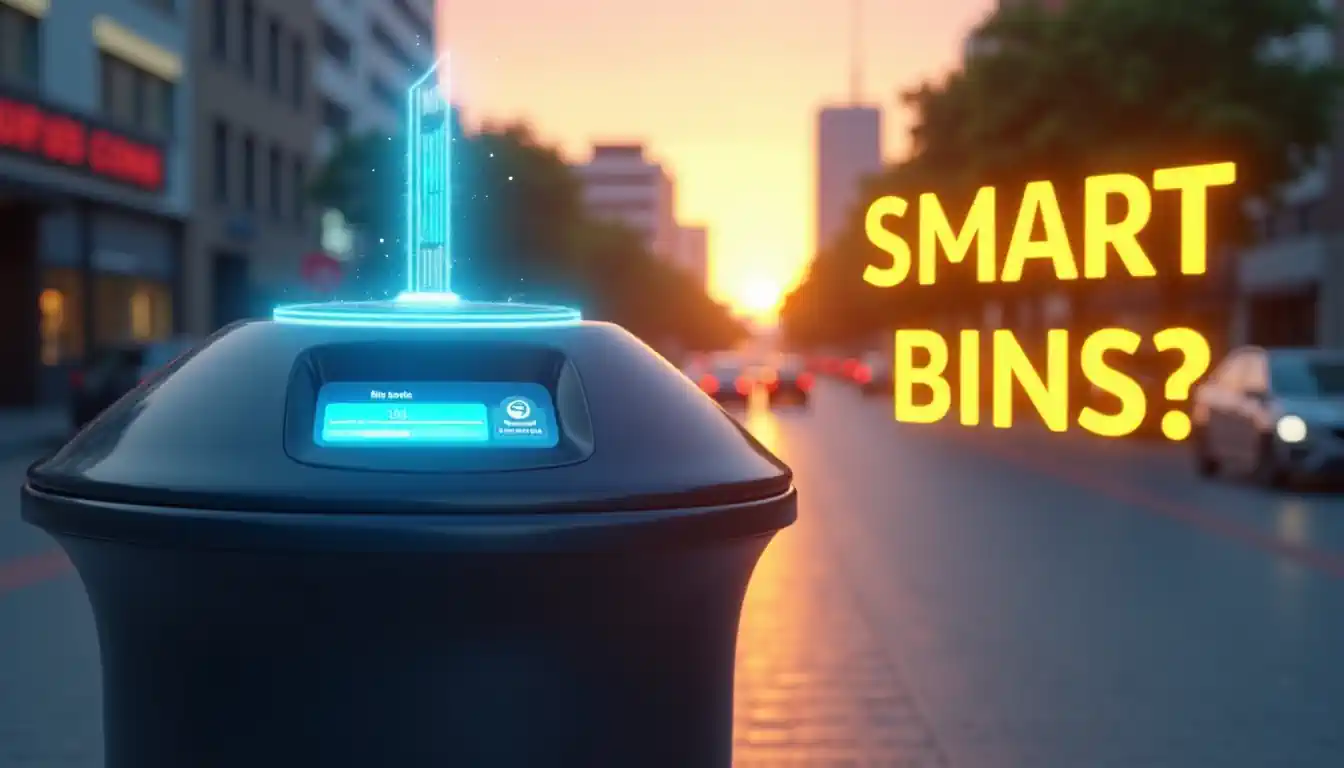
Smart waste bins use Internet of Things technology to make rubbish collection more efficient. These bins have sensors that tell when they are full. This means trucks only go to bins that need emptying.
It cuts down on fuel use and helps keep streets clean.
Cities can see where waste piles up thanks to data from these bins. This helps them plan better routes for garbage trucks, saving time and petrol. Smart waste containers also sort trash, making recycling easier.
They help reduce the amount of junk sent to landfills and support a circular economy by turning waste into resources.
4. Solar-powered trash compactors
Solar-powered trash compactors use the sun’s energy to power themselves. They press waste together, making it much smaller. This means we can fit more rubbish in one bin before it needs emptying.
It’s a clever way to handle waste better and keep our streets cleaner.
I saw one of these devices in action on my local high street. It was impressive how often it didn’t need emptying compared to regular bins. These devices are great for busy places where lots of people throw away things like wrappers and bottles.
They make life easier for those who look after our city spaces, cutting down on fuel consumption from garbage trucks because they collect less often.
5. Plasma gasification
Moving from solar-powered trash compactors, we find another groundbreaking technology: plasma gasification. This process turns waste into energy using super-hot gases. Think of it as a futuristic furnace that can destroy any type of rubbish, even the toughest materials like industrial waste and hazardous substances.
I visited a plant where they use this technology. Workers feed waste into a big chamber. Then, they blast it with plasma torches hotter than the surface of the sun! This intense heat breaks down solid waste into basic elements.
The result? A gas called synthesis gas or “syngas” for short. Syngas is then used to make electricity or fuels, turning trash into valuable energy sources without harming our planet.
It’s an amazing sight and shows how smart solutions can tackle our rubbish problem whilst caring for nature.
6. Automated recycling centres
Automated recycling centres use the latest tech to sort and recycle waste. They employ robots powered by artificial intelligence (AI) and advanced scanners. These machines can quickly identify different materials, such as plastic, metal, and paper.
This way, they help keep recyclable items out of landfills.
These centres also rely on data analytics to improve their operations. Using information from various sensors, they can figure out the best ways to collect and process waste. This makes recycling more effective and helps in reducing environmental harm.
7. Garbage truck enhancements
Transitioning from the realm of automated recycling centres, let’s delve into waste truck enhancements. Waste management companies are constantly seeking more than just conventional waste disposal methods.
Garbage truck innovations are not only designed to enhance waste collection but also reduce environmental impact and increase efficiency in waste handling processes. Fleet management software, route planning tools, fill-level sensors, and sophisticated weighing mechanisms are amongst the robust tools being used to bolster waste truck operations.
These enhancements involve incorporating internet of things (iot) technologies for real-time tracking of waste levels in bins and dumpsters along with optimising collection routes using artificial intelligence (AI).
By tailoring these advancements towards reducing fuel consumption and emissions while streamlining collections, waste management entities can ensure a sustainable future for waste transport.
8. Recycling apps
Transitioning from the realm of waste collection and enhancement technologies, recycling apps are becoming indispensable tools in promoting sustainable waste management. These user-friendly apps enable consumers to easily locate nearby recycling facilities, understand what materials can be recycled, and access educational resources on reducing waste.
They also incorporate innovative features such as barcode scanning for product recyclability, tracking personal recycling habits, and even facilitating community participation in local clean-up initiatives.
Designed to enhance consumer engagement with sustainable practices, these apps not only provide information but also encourage proactive participation in the circular economy. By tailoring their offerings towards educating and empowering users, these mobile applications are unlocking the secrets to fostering a more environmentally conscious society.
9. Food waste recycling that recycles organics and plastic
Food waste recycling processes both organics and plastic. Innovative technologies enable the conversion of food scraps, leftovers, and discarded packaging into valuable resources instead of ending up in landfills.
This method effectively reduces methane emissions produced by decomposing organic waste, contributing to mitigating climate change. Additionally, it tackles the environmental issues associated with plastic pollution by transforming discarded plastic into reusable materials.
The use of anaerobic digestion and gasification technologies aids in converting organic waste into biogas for energy purposes while processing plastics through recycling plants helps reduce the demand for virgin materials, promoting sustainability within the recycling industry.
Concepts: Food waste recycling, Organic waste management
10. Biomethane from waste for road and rail transport
Turning waste into a sustainable resource, biomethane is derived from organic waste and used as fuel for road and rail transport. This renewable energy source significantly reduces greenhouse gas emissions and dependency on fossil fuels, contributing to environmental protection.
Anaerobic digestion of organic waste produces biogas, which is further refined into biomethane for use in vehicles, aligning with the trend towards renewable energy sources and reducing energy consumption.
The utilisation of biomethane from waste addresses the challenges of waste disposal while promoting environmentally friendly transportation solutions.
11. SAF fuel for aviation
The transition from “Biomethane from waste for road and rail transport” to the next heading, “SAF fuel for aviation,” marks a shift towards sustainable aviation fuels (SAF). SAFs are derived from renewable resources like cooking oil, solid waste and other organic materials.
These fuels have low emission profiles and can reduce greenhouse gas emissions by up to 80% compared to conventional jet fuel. They address concerns about the environmental impact of air travel and demonstrate the commitment of the aviation industry towards sustainability.
The use of SAF is gaining traction globally as airlines seek to reduce their carbon footprint while meeting growing energy demands.
Sustainable Aviation Fuels (SAFs), made from sources such as used cooking oil, animal fats, or industrial waste gases, offer an environmentally friendly alternative to traditional jet fuel.
12. Carbon capture for CO2 for the food and drinks industry
To continue addressing the environmental impact of waste, another crucial effort is carbon capture for CO2 in the food and drinks industry. This innovative concept focuses on trapping carbon dioxide emissions produced during manufacturing processes.
By capturing CO2, these industries can significantly reduce their carbon footprint and contribute to mitigating climate change. Integrating this technology into food and drink production aligns with the goal of promoting sustainable practices and reducing greenhouse gas emissions.
Incorporating carbon capture technology into food and drinks production contributes to sustainability efforts while minimising harmful emissions from industrial activities. This approach supports long-term environmental conservation by reducing the overall impact on the ecosystem, underscoring a commitment to responsible resource management.
Real-Life Scenarios Adopting Waste Management Technologies
Singapore, Barcelona, and South Korea are leading the way in adopting innovative waste management technologies. Read more about their success stories!
Singapore
Singapore is leading the way in waste management with its advanced pneumatic waste collection system and smart waste bins. The island nation has a state-of-the-art integrated solid waste management system, leveraging technology to efficiently manage and process municipal solid waste.
With iot sensors and computer vision, Singapore’s automated recycling centers are instrumental in achieving high rates of resource recovery. Ewaste kiosks also play a key role in the responsible handling of electronic waste, promoting a sustainable environment for future generations.
Real-Life Scenarios Adopting Waste Management Technologies – Barcelona
Barcelona
Barcelona has embraced smart waste management technologies, including the use of pneumatic waste collection systems to efficiently dispose of waste. IoT-enabled rubbish bins with waste level sensors have been strategically placed around the city for optimized rubbish collection.
Barcelona is also pioneering in AI recycling robots that sort and process recyclable waste, enhancing the city’s sustainability efforts.
The implementation of these innovative technologies aligns with Barcelona’s commitment to sustainability, reducing waste generation and promoting a zero-waste culture. The integration of advanced waste management tools not only tackles environmental challenges but also propels Barcelona towards becoming a smarter and more environmentally-friendly city.
South Korea and European countries
Moving from the sustainable waste management practices in Barcelona, South Korea and European countries are also embracing innovative technologies to enhance waste disposal. These regions have placed a strong emphasis on recycling and reusing materials to reduce the need for new resources and mitigate climate change.
Implementing cutting-edge waste-to-energy plants, advanced recycling apps, and efficient garbage truck enhancements has been pivotal in transforming their waste management systems.
Additionally, these areas actively explore zero-waste initiatives alongside advanced robotics and smart city solutions aimed at revolutionising their approach towards waste reduction.
In South Korea and European countries, pioneering efforts encompass a holistic approach towards sustainability by integrating biofuels for transport with e-waste kiosks and hyperspectral imaging technologies that aid in precise waste sorting.
The consumer culture is being reshaped as they leverage IoT (Internet of Things) devices to automate recycling processes while implementing closed-loop systems designed to enhance resource efficiency within an ever-evolving world of waste management.
AI Waste Sorting Article – Conclusion
Innovative waste management technologies are shaping the future. They transform waste into valuable resources and promote sustainability. These advanced methods digitise waste collection, sorting, and treatment, making the process more efficient.
Recycling and reusing materials play a crucial role in reducing the need for new resources. Anaerobic digestion, gasification, and pyrolysis convert waste into valuable resources effectively.
It’s important to charge consumers for wasted food to encourage mindfulness about waste disposal.
Let’s continue exploring these cutting-edge technologies to revolutionise waste management!
FAQs for AI Waste Sorting
1. What are pneumatic waste pipes?
Pneumatic waste pipes are special tubes that use air to move rubbish quickly from homes to a central collection point. This helps keep streets clean and reduces the need for rubbish trucks.
2. How does automation improve recycling?
Automation, with tools like Ecube Labs and iRecycle, makes sorting out recyclables faster and more accurate. It means we can recycle more things and reduce waste.
3. Can technology help in e-waste recycling?
Yes! Technology plays a big role in e-waste recycling by using deep learning to sort electronic waste better so it can be recycled properly instead of harming the environment.
4. What is zero waste, and how can we achieve it?
Zero waste is when we reuse all our rubbish instead of throwing it away or burning it in incinerators. We can reach zero waste by recycling more, using smart bins, and thinking carefully about what we throw away.
5. Why are key performance indicators (KPIs) important in managing waste disposal logistics?
Key Performance Indicators (KPIs) help us measure how well our rubbish collection works—like if rubbish truck weighing mechanisms show trucks collect rubbish efficiently without wasting time or fuel.
Old Electronics Recycling: How To Responsibly Dispose Of Unwanted Devices
You probably have at least 25 unused electronic devices sitting in drawers or cupboards right now. Most households do because most neglect their old electronics recycling. And most people have no clear plan for what to do with their old electronic devices when they go wrong.. Here’s the key issue: those devices aren’t just clutter. […]
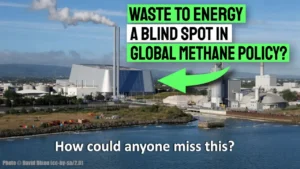
Waste To Energy: A Blind Spot In Global Methane Policy? The Waste Sector’s WtE Debate
You can see why waste-to-energy (WtE), often just known as “incineration”, has become a blind spot in methane policy. The toughest part of municipal solid waste management is rarely the clean paper, glass, or metals that people picture when they think about recycling; it is the messy residual waste left after sorting. Maybe most of […]
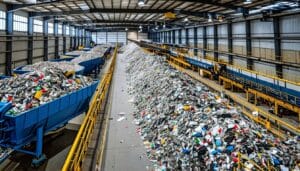
Revolutionizing Waste Recovery: Latest Separation And Sorting Innovations
Waste recovery is changing fast, thanks to new separation and sorting technology. This tech helps us sort trash better, so we can recycle more things. For example, Stadler has built a big plant in Spain for VAERSA that makes recycling easier and smarter. Keson is finding new ways to deal with old tyres, helping both […]
Top 10 UK Solid Waste Management Companies 2025
The UK waste management sector stands as a vital industry worth billions of pounds. The top UK Solid Waste Management Companies are the leading waste management firms in Britain. These companies handle millions of tonnes of rubbish each year. The industry has transformed significantly over the past two decades through strategic mergers and environmental innovations. […]