In the future, landfills will be used less for simple waste burial and more as sites for resource recovery and energy generation. Some say that this will include landfill mining to extract valuable materials, but only if emissions can be controlled.
It will be much more likely to include converting landfill biogas into electricity at all landfill sites, and utilising the sites for renewable energy projects like solar farms. Many landfills will also evolve to focus on waste diversion, with advanced recycling, composting, and waste-to-energy processes reducing the amount of waste sent for disposal.
Key Takeaways on the Subject of Landfills in the Future
- The future of landfill management will be forced, by regulations designed to help the health of the local residents, to increasingly rely on smart technology and real-time monitoring to raise warnings of emissions, minimise environmental impact and maximise resource recovery.
- Bioreactor landfills face cost and practicality problems, but waste-to-energy systems will transform traditional disposal sites into renewable energy generators, reducing greenhouse gas emissions.
- Many existing landfills will undergo mining operations to recover valuable metals, plastics, and other resources as virgin materials become scarcer.
- Zero-waste initiatives and circular economy models are gradually reducing the need for traditional landfills in progressive regions globally.
- Communities located near landfills, hitherto unregulated, will see significant improvements in health outcomes as modern containment systems and reclamation projects transform these spaces.
Our waste doesn’t simply disappear when it leaves our homes. In fact, the journey has just begun, and the destination—our landfills—face an uncertain future that will impact generations to come. As we generate over 2 billion tons of municipal solid waste annually worldwide, our traditional approach to burying trash is reaching its breaking point.
Landfills Face a Critical Turning Point: Current Crisis and Future Path
The modern landfill sits at a crossroads. For decades, we’ve relied on the simple strategy of digging massive holes and filling them with our discarded items. This system, while convenient, has created environmental time bombs that leak methane into our atmosphere and chemicals into our groundwater.
The crisis we face isn’t just about running out of space—it’s about the sustainability of a waste management approach that treats valuable resources as disposable.
Why Traditional Landfills Cannot Sustain Our Waste
Traditional landfills operate on a fundamentally flawed premise: that we can indefinitely continue to bury materials that take centuries to decompose. Modern consumer products contain complex combinations of plastics, metals, and synthetic materials that persist in the environment long after disposal.
Even with advanced liner systems, these facilities eventually leak, creating long-term contamination issues. Most troubling is that many valuable and finite resources—from rare earth metals in electronics to aluminium and glass—remain trapped in these waste tombs instead of being recirculated into the economy.
The Hidden Environmental Costs We Can No Longer Ignore
The environmental footprint of landfills extends far beyond their physical boundaries. Methane emissions from decomposing organic waste make landfills the third-largest source of human-related methane emissions in the United States alone.
This potent greenhouse gas traps heat in the atmosphere at a rate 28 times greater than carbon dioxide over a 100-year period. Meanwhile, leachate—the toxic liquid that forms as waste breaks down and mixes with rainwater—threatens local water supplies with heavy metals, volatile organic compounds, and pharmaceutical residues.
The transportation of waste to increasingly distant landfill sites also contributes significantly to air pollution and carbon emissions, creating a cascade of environmental impacts that future generations will inherit.
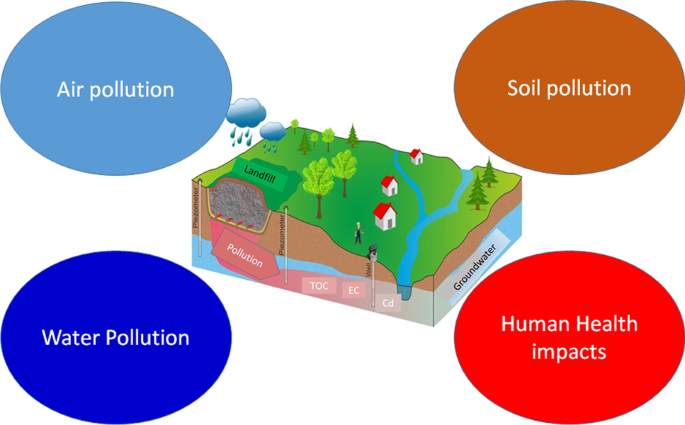
“waste landfilling and open dumping …” from link.springer.com and used with no modifications.
The Alarming State of Today’s Landfills
The numbers tell a sobering story about our waste crisis. In the United States alone, landfills receive roughly 146 million tons of municipal solid waste annually—about 50% of all waste generated. Despite advanced containment systems and environmental regulations, these facilities represent significant environmental liabilities.
Even more concerning is the situation in developing nations, where open dumping without proper environmental controls remains common practice, exposing millions to direct health hazards. Learn more about the RAMP method of waste disposal as a potential solution to improve landfill management.
Modern landfills have evolved substantially from the open dumps of the past, incorporating engineered liners, leachate collection systems, and gas capture technology.
However, these improvements merely mitigate rather than solve the fundamental problems. Every landfill, no matter how well-designed, has a finite capacity and lifespan for its containment systems.

“Landfill – Wikipedia” from en.wikipedia.org and used with no modifications.
How Much Space Is Left? The Reality of Landfill Capacity
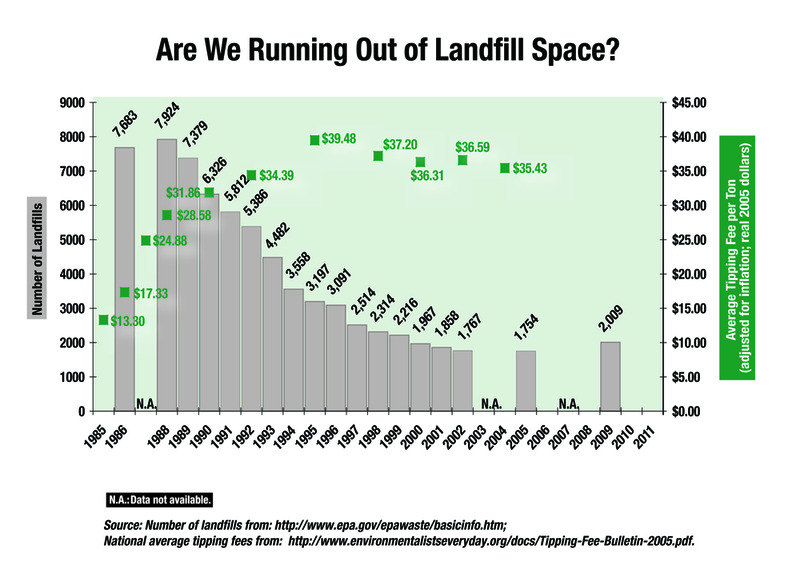
The available capacity for waste disposal varies dramatically by region, creating urgent challenges in densely populated areas. Major metropolitan regions in the northeastern United States, western Europe, and parts of Asia face severe landfill shortages, with some facilities projected to reach capacity within the next 5-10 years.
This space limitation drives the export of waste to more rural areas or developing nations, creating environmental justice concerns and increasing costs. As suitable land becomes scarcer and regulations stricter, the economics of landfilling are shifting dramatically, with tipping fees increasing by 25-40% in space-constrained regions over the past decade.
These economic pressures are finally forcing innovations that should have been implemented years ago.
“Resources Versus Refuse in Recycling | PERC” from www.perc.org and used with no modifications.
Toxic Legacy: Leachate and Methane Emissions
Beneath the surface of every landfill lies a chemical cocktail known as leachate—a dark, contaminated liquid formed when rainwater filters through waste materials.
This toxic substance contains hundreds of harmful compounds, including heavy metals, volatile organic compounds, and increasingly, microplastics and PFAS “forever chemicals.”
Modern landfills employ sophisticated collection systems to capture leachate, but these systems inevitably degrade over time. Even more concerning is methane generation, which continues for decades after a landfill closes. While methane capture technology has improved, the EPA estimates that landfills still release enough methane annually to power over 12 million homes—wasted energy that instead accelerates climate change.
The True Cost of Waste Disposal on Communities
Communities near landfills bear disproportionate burdens that often go unaccounted for in waste management economics. Property values typically decrease by 12-15% within a three-mile radius of active landfill operations, while residents report higher rates of respiratory problems, headaches, and stress-related conditions.
These health impacts are particularly pronounced in lower-income communities and communities of colour, where landfills are more commonly sited. The social costs extend beyond health concerns to include increased truck traffic, noise pollution, and unpleasant odours that affect quality of life. As we look toward the future, addressing these environmental justice concerns must become central to waste management planning.
Smart Landfills: Technology Transforms Trash Management
The landfill of tomorrow bears little resemblance to today’s operations. Emerging technologies are transforming these facilities from passive waste repositories into sophisticated resource management centres. Real-time monitoring using networks of sensors now allows operators to detect gas leaks, assess moisture levels, and monitor settlement patterns with unprecedented precision. These systems represent the first wave of “smart landfill” technologies that will revolutionise how we manage waste.
Artificial intelligence and predictive analytics are being deployed to optimise landfill operations, from compaction techniques to gas collection efficiency. These systems can predict problems before they occur, dramatically reducing environmental risks while extending facility lifespans. The integration of drone technology for aerial surveying and thermal imaging is enabling more accurate waste volume calculations and early detection of hotspots that could indicate potentially dangerous reactions occurring within the waste mass.
Real-Time Monitoring Systems That Prevent Contamination
Advanced sensor networks are transforming landfill management from reactive to proactive environmental protection. These systems employ thousands of interconnected sensors throughout the landfill structure to continuously monitor methane concentrations, leachate levels, temperature variations, and structural stability.
When linked to automated control systems, these sensors can trigger immediate responses to potential problems, such as increasing gas extraction rates in areas showing elevated methane levels. The data collected also creates detailed 3D models of internal landfill conditions, giving operators unprecedented visibility into previously mysterious subsurface processes. Companies like PROMETHIUM are pioneering this technology, deploying sensor arrays that can detect contaminant migration years before it would reach groundwater monitoring wells.
Bioreactor Landfills That Speed Up Decomposition
Traditional “dry tomb” landfills intentionally minimise moisture to slow decomposition, essentially preserving waste rather than processing it. Bioreactor landfills take the opposite approach by carefully managing moisture levels to accelerate natural decomposition processes. By recirculating collected leachate and sometimes adding supplemental liquids, these systems can reduce waste volume by 15-30% while significantly increasing methane production for energy recovery.
This controlled decomposition approach can transform decades-long breakdown processes into just 5-7 years for many materials. The accelerated stabilisation also shortens the post-closure care period, reducing long-term liability while freeing land for beneficial reuse much sooner than conventional approaches.
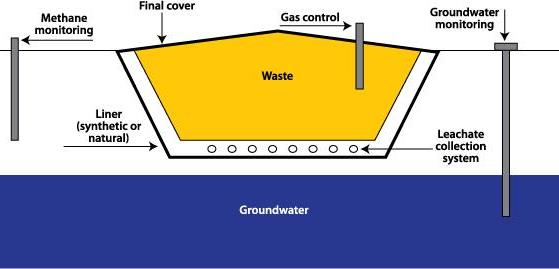
“Municipal Solid Waste landfills …” from www.geoengineer.org and used with no modifications.
Landfill Mining: Recovering Valuable Resources
As virgin material sources become scarcer and recycling technology improves, many existing landfills are being viewed not as environmental liabilities but as valuable urban mines. Landfill mining operations excavate buried waste, separating out metals, plastics, soil, and other materials for recycling or energy recovery.
Early projects have successfully recovered significant quantities of aluminium, copper, steel, and rare earth elements used in electronics. Beyond metals, excavated plastics can be processed through advanced recycling techniques, while recovered soil and inert materials can be used for daily landfill cover or construction applications.
Projects in Belgium, the Netherlands, and Japan have demonstrated profitable recovery rates, particularly from landfills that received waste before recycling programs became widespread. However, those same landfills were not controlled, and landfill mining will only occur once all emissions can be prevented and the site personnel can be fully protected from all hazards. That day is a long way off!
From Waste to Energy: Capturing Methane as Renewable Fuel
Landfill gas-to-energy systems represent one of the most successful transformations of waste into value. These systems capture methane produced by decomposing organic waste and use it to generate electricity, heat, or renewable natural gas. The technology has matured significantly, with modern systems capable of capturing up to 85% of generated methane.
The environmental benefits are substantial—each ton of methane captured prevents the equivalent of 28 tons of CO₂ from entering the atmosphere. Beyond environmental gains, these systems provide significant revenue streams that help offset waste management costs while creating clean energy jobs.
Landfill Gas Energy Potential
Average landfill gas yield: 432,000 cubic feet per day per million tons of waste
Electricity generation potential: 0.78 megawatts per million tons of waste
Homes powered: ~500 homes per million tons of waste
Carbon offset equivalent: ~6,000 cars removed from roads per million tons of waste
Zero-Waste Initiatives Reshaping Our Relationship with Trash
The most progressive vision for future waste management isn’t about better landfills—it’s about eliminating the need for them entirely. Zero-waste initiatives represent a fundamental paradigm shift, viewing materials as valuable resources rather than disposable items. Cities like San Francisco, Ljubljana (Slovenia), and Kamikatsu (Japan) have already achieved remarkable diversion rates above 80%, proving that dramatic reductions in landfill dependency are possible today with existing technology and sufficient political will.
The zero-waste philosophy operates on a hierarchy of strategies: refuse what you don’t need, reduce what you do need, reuse items as much as possible, recycle or compost what cannot be reused, and only then consider disposal. This approach addresses waste at its source rather than managing it after creation. Communities embracing these principles have seen not just environmental benefits but economic ones as well, with new green jobs and businesses emerging around repair, reuse, and innovative material recovery.
Circular Economy Models That Eliminate the Need for Landfills
The circular economy represents perhaps the most transformative concept for the future of waste management. Unlike our current linear “take-make-dispose” model, circular systems design out waste and pollution from the beginning, keeping products and materials in use and regenerating natural systems.
Companies like PROMETHIUM are pioneering these approaches, developing innovative monitoring technologies that help facilities transition to more sustainable operations. In truly circular systems, products are designed for disassembly and remanufacturing, materials flow in continuous cycles, and biological nutrients return safely to the biosphere. Nations like the Netherlands, Finland, and Scotland have adopted national circular economy roadmaps that aim to reduce landfill disposal by up to 90% by 2040.
Extended Producer Responsibility Programs
Extended Producer Responsibility (EPR) programs shift the financial and management responsibility for products’ end-of-life back to manufacturers, creating powerful incentives for designing more sustainable, recyclable products. These policies have proven particularly effective for challenging waste streams like electronics, batteries, packaging, and pharmaceuticals.
In regions with robust EPR frameworks, manufacturers establish collection networks, fund recycling infrastructure, and continuously improve product design to minimise disposal costs. The European Union’s experience demonstrates that comprehensive EPR systems can divert up to 80% of targeted materials from landfills while spurring remarkable innovation in product design and recycling technologies.
Compostable Packaging Revolution
The replacement of conventional plastics with truly compostable alternatives represents one of the most promising developments for reducing landfill inputs. Next-generation bioplastics derived from algae, mushroom mycelium, agricultural waste, and other renewable feedstocks can decompose completely in industrial composting facilities within 90 days.
Unlike earlier generations of “biodegradable” plastics that often failed to break down in real-world conditions, these materials meet strict certification standards, ensuring they leave no microplastics or toxic residues.
Major food service companies and retailers are already transitioning to these materials, particularly for items that are frequently contaminated with food residues and therefore difficult to recycle conventionally. For more insights on this transition, explore how the forecast for landfills is bright.
Advanced Waste Processing Technologies Making Landfills Obsolete
Beyond improved landfill design, truly revolutionary technologies are emerging that could fundamentally transform how we manage waste. These advanced processing systems aim to extract maximum value from waste streams while minimising or eliminating the need for landfill disposal altogether. Rather than simply containing waste, these technologies break materials down into their component parts for recovery and reuse. To learn more about specific innovations, check out the latest food waste processing technologies.
Plasma Gasification: Converting Waste to Clean Energy
Plasma gasification represents one of the most promising alternatives to conventional landfilling. This technology uses extremely high temperatures (up to 10,000°F) created by plasma arcs to break down waste materials at the molecular level, converting them into synthesis gas (syngas) and an inert vitrified slag. Unlike incineration, plasma gasification occurs in an oxygen-starved environment that prevents the formation of many harmful compounds. The resulting syngas can be converted into electricity, liquid fuels, or hydrogen, while the vitrified slag can be used in construction applications. Facilities in Japan, the UK and Canada have demonstrated that plasma systems can process mixed waste streams, including hazardous materials, while generating significant energy and reducing landfill volumes by up to 95%.
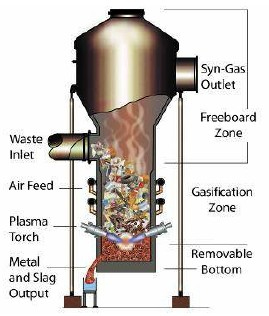
“Plasma Gasification | netl.doe.gov” from www.netl.doe.gov and used with no modifications.
Chemical Recycling: Breaking Down Plastics
Chemical recycling technologies are revolutionising our ability to process plastic waste that would otherwise end up in landfills. Unlike mechanical recycling that simply reshapes plastics, chemical processes break down polymers into their original monomers or other valuable chemicals, enabling true circular recycling even for contaminated or mixed plastic waste.
Pyrolysis systems convert plastics back into oil, while solvolysis uses solvents to selectively dissolve specific polymer types. These technologies are particularly promising for difficult-to-recycle plastics like multilayer packaging films, which constitute a significant portion of landfilled materials. Commercial-scale facilities are now operating in Europe and North America, processing thousands of tons of plastics that would have previously been destined for disposal.
Enzymatic Decomposition of Organic Materials
Specialised enzymes and microbial systems are being developed to accelerate the breakdown of organic waste, including materials that resist conventional composting. These biological processing systems can convert food waste, yard trimmings, paper products, and even some textiles into nutrient-rich soil amendments in a fraction of the time required by traditional methods.
The most advanced systems can process mixed organic waste streams within 24-48 hours, compared to months for conventional composting. By diverting organics, which typically make up 30-40% of municipal waste, these technologies can significantly extend landfill lifespans while returning valuable nutrients to agricultural soils instead of sequestering them in landfills.
The Transformation of Existing Landfill Sites
The future will not only see changes in how we manage new waste but also innovative approaches to remediate and repurpose the thousands of existing landfills worldwide. These massive accumulations of materials represent both environmental liabilities and potential resources depending on how we choose to manage them. Sophisticated reclamation projects are already demonstrating how former waste sites can become valuable community assets.
From Trash Mountains to Public Parks: Successful Reclamation Projects
Closed landfills around the world are being transformed into parks, recreational facilities, and wildlife habitats through innovative reclamation projects. Freshkills Park in New York City represents perhaps the most ambitious example—converting what was once the world’s largest landfill into a 2,200-acre public park three times the size of Central Park.
The project incorporates extensive methane capture systems, native plantings to prevent erosion, and careful monitoring to ensure environmental safety. Similar projects in Hong Kong, Singapore, and Germany have successfully created hiking trails, sports facilities, and even solar farms atop former landfills. These reclamation efforts demonstrate that with proper engineering and long-term monitoring, waste sites can eventually become community assets rather than perpetual liabilities.
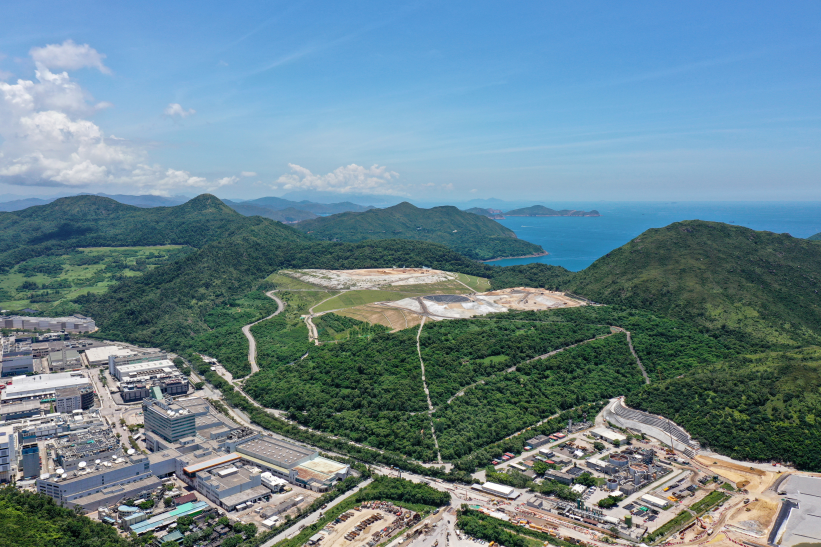
“SENT Landfill Landscape Restoration …” from my.landscapeinstitute.org and used with no modifications.
Urban Mining of Old Landfills for Precious Metals
As natural resource costs rise and extraction technologies improve, the economics of “mining” old landfills for valuable materials becomes increasingly favourable.
Sites that received waste before widespread recycling programs began often contain substantial quantities of metals, including copper, aluminium, steel, and even precious metals from discarded electronics. Modern screening and separation technologies can efficiently recover these materials while simultaneously removing contaminants from the remaining waste mass.
Pilot projects in Europe have demonstrated recovery values exceeding $40 per ton of excavated waste, with metal content sometimes reaching 5-7% by weight in landfills that operated during the 1970s and 1980s. As these technologies mature, landfill mining may become standard practice, simultaneously recovering resources and remediating environmental hazards.
Regional Differences in Landfill Evolution
The future of landfill management will not follow a single global pattern but will vary dramatically based on regional economic conditions, population density, and regulatory frameworks. These differences reflect not just varying levels of development but also cultural attitudes toward waste and resource conservation that influence policy approaches.
How European Countries Are Leading the Way
European nations, particularly in Scandinavia and Western Europe, have pioneered advanced waste management approaches that dramatically reduce landfill dependence. Countries like Sweden, Germany, and Austria now landfill less than 1% of their municipal waste, instead prioritising recycling, composting, and waste-to-energy systems.
These achievements stem from comprehensive policy frameworks including landfill taxes exceeding $100 per ton, bans on landfilling recyclable and combustible materials, and producer responsibility requirements. The results are impressive: Germany recycles or composts over 65% of municipal waste, while Sweden converts most non-recyclable portions to energy, generating enough electricity to power hundreds of thousands of homes. These successful systems demonstrate that with the right policy incentives, dramatic reductions in landfill dependency are achievable within relatively short timeframes.
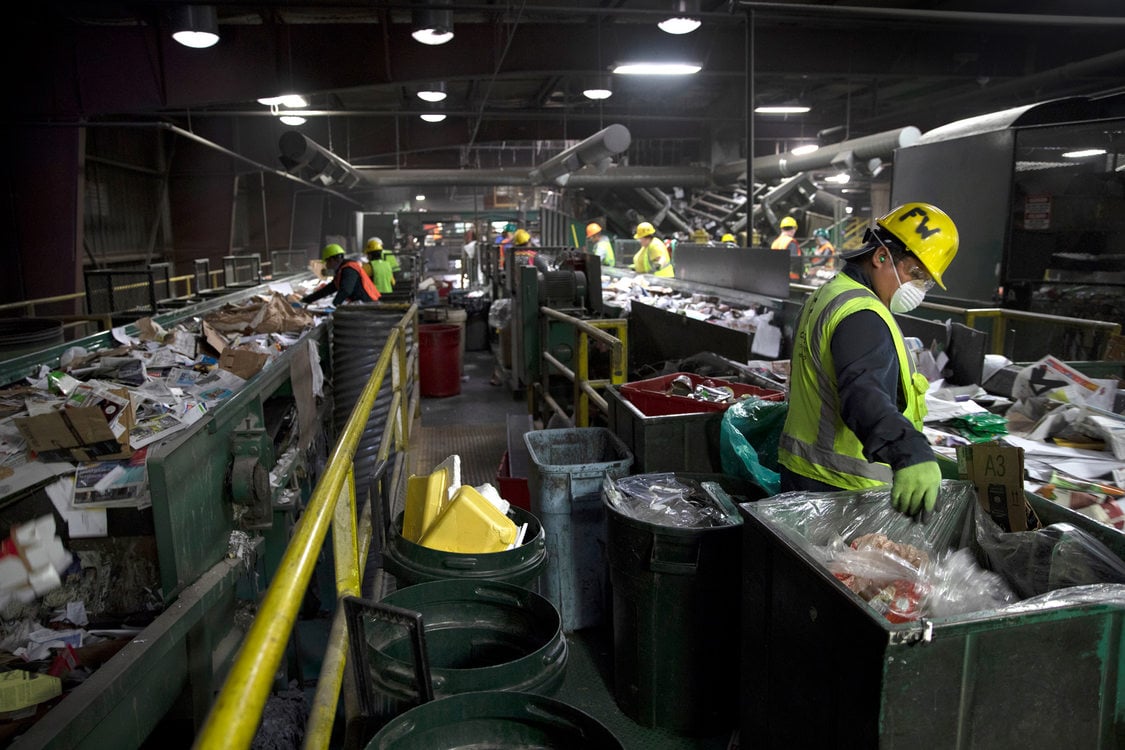
“Regional Waste Plan | Metro” from www.oregonmetro.gov and used with no modifications.
Developing Nations’ Unique Challenges and Solutions
Rapidly urbanising regions in Asia, Africa, and Latin America face distinct waste management challenges that require tailored solutions. Many developing countries are simultaneously dealing with increasing waste volumes, limited infrastructure, and the persistence of informal waste-picking economies that employ millions of vulnerable workers.
Progressive approaches recognise the value of integrating these informal recyclers into formalised systems rather than displacing them with capital-intensive technologies. Cities like Pune (India) and Bogotá (Colombia) have created waste picker cooperatives that provide stable incomes while achieving recycling rates comparable to wealthy nations at a fraction of the cost.
Meanwhile, organisations like PROMETHIUM are developing affordable monitoring technologies that can be deployed even in basic landfill operations, helping prevent the worst environmental impacts while systems continue to evolve.
What Your Community Will Look Like Without Landfills
As waste management systems evolve away from landfill dependency, our communities and daily routines will transform in ways both subtle and profound. The transition to more sustainable systems will change everything from household habits to municipal infrastructure, creating cleaner, healthier environments and new economic opportunities. This future is not some distant possibility—it’s already emerging in communities around the world that have committed to zero-waste principles.
Neighbourhood Collection Systems That Sort at Source
Future waste collection systems will emphasise granular separation at the source rather than commingled collection followed by centralised sorting. Many communities are already transitioning to multi-stream collection systems with separate containers for different material types, sometimes incorporating digital tracking and pay-as-you-throw incentives.
Smart bins equipped with sensors, automated sorting capabilities, and real-time fullness monitoring will optimise collection routes and reduce contamination. These systems will be complemented by neighbourhood micro-recycling centres where residents can bring specialised items like electronics, textiles, and household hazardous waste for proper processing. The result will be cleaner material streams that maintain their value and are more readily reintroduced into manufacturing processes without downcycling.
The Disappearance of the Garbage Truck
The iconic garbage truck will gradually evolve and, in some places, disappear entirely as waste collection systems diversify to handle different material streams more efficiently. In dense urban areas, underground pneumatic waste collection systems already transport separated waste streams through subterranean tubes to centralised processing facilities, eliminating truck traffic entirely.
Other communities are implementing smaller, specialised electric collection vehicles that can navigate narrow streets with minimal noise and air pollution. The most advanced systems combine automated collection technology with real-time route optimisation, reducing fuel consumption by up to 30% while minimising neighbourhood disruption. These innovations improve the quality of life in residential areas while creating safer working conditions for waste management professionals.
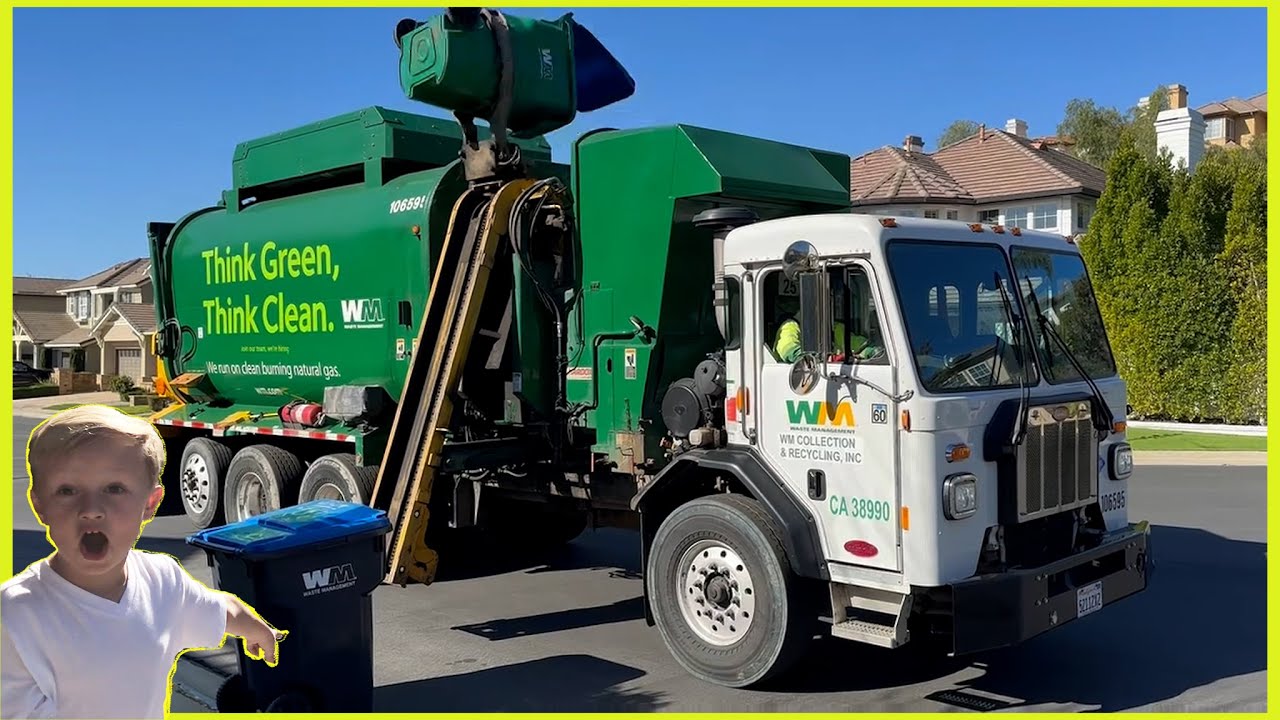
“Follow Waste Management Garbage Trucks …” from www.youtube.com and used with no modifications.
Job Creation in the New Waste Economy
The transition from disposal-focused waste management to resource recovery systems will create significant employment opportunities across multiple sectors. Recycling, remanufacturing, and repair operations typically generate 10-20 times more jobs per ton of material than landfilling or incineration.
These positions range from entry-level sorting and processing roles to highly skilled technical positions in materials science, robotics, and systems engineering. The repair economy alone could create millions of new jobs globally while extending product lifespans and reducing waste generation. Communities that have invested in circular economy initiatives report not just environmental benefits but economic revitalisation, particularly when facilities are strategically located in former industrial areas with existing workforces and infrastructure.
5 Actions You Can Take Today to Help Shape a Better Future
The future of waste management isn’t just in the hands of governments and corporations—individual choices collectively drive systemic change. By adopting more sustainable consumption and disposal habits, consumers send powerful market signals that accelerate innovation and policy development. The most effective individual actions combine immediate waste reduction with broader advocacy for structural changes that make sustainable choices easier for everyone.
Our daily decisions about what we buy, how we use products, and how we handle materials when we’re finished with them directly impact waste management systems. The collective power of these choices can dramatically reduce landfill inputs while supporting the development of more sustainable alternatives. Even small changes, when widely adopted, create significant impacts and help establish new social norms around resource conservation.
1. Reduce Single-Use Items in Your Daily Life
The simplest and most powerful step toward reducing landfill impacts is eliminating single-use items whenever possible. Replace disposable water bottles with durable alternatives, bring reusable shopping bags and produce bags to stores, and invest in quality travel mugs and food containers for take-out meals.
Choose products with minimal packaging or bulk options that eliminate packaging entirely. For unavoidable single-use items, select those made from easily recyclable materials like aluminium or paper rather than multi-layer or composite materials that typically end up in landfills. These simple swaps can reduce personal waste generation by hundreds of pounds annually while sending market signals that drive broader system changes.
2. Separate Waste Properly – It Makes a Huge Difference
Proper waste separation dramatically improves recycling outcomes and reduces contamination that sends otherwise recyclable materials to landfills. Learn your local recycling guidelines and follow them precisely—different regions accept different materials based on available processing facilities and market conditions.
Pay special attention to problematic items like plastic films, which can jam sorting equipment if placed in standard recycling bins, but can often be recycled through specialised collection programs at grocery stores. Take the time to clean food containers before recycling, as contamination can render entire batches of materials unprocessable.
For complex items like electronics, batteries, and household chemicals, utilise specialised take-back programs or hazardous waste collection events rather than placing them in regular trash or recycling. These materials require specialised handling to prevent environmental contamination and recover valuable components. Many manufacturers and retailers now offer collection programs for products they sell, providing convenient disposal options that keep harmful materials out of landfills. For more about depackaging food waste, you can visit the Drycake Twister website.
3. Support Companies Using Closed-Loop Systems
Your purchasing power can accelerate the transition to circular systems by supporting businesses that design waste out of their operations. Look for companies that offer product take-back programs, use high recycled content in their packaging, or employ innovative delivery systems that eliminate packaging entirely.
Many brands now provide detailed information about their sustainability practices, making it easier to identify truly responsible options. Beyond individual products, consider supporting service models that replace ownership with access—tool libraries, clothing rental services, and product repair businesses all help extend product lifespans while reducing overall consumption and waste generation.
4. Advocate for Better Waste Policies in Your Community
Individual actions matter, but system-level changes require policy support. Attend local government meetings to advocate for improved recycling programs, composting infrastructure, and waste reduction initiatives. Support landfill bans for recyclable materials, pay-as-you-throw systems that create financial incentives for waste reduction, and extended producer responsibility requirements that shift management costs back to manufacturers. These policies have proven highly effective in regions that have successfully reduced landfill dependency.
Encourage your workplace, schools, and community organisations to adopt waste reduction practices and establish proper recycling systems. Many institutional settings generate significant waste that could be diverted with relatively simple policy changes and education. By helping organisations in your community improve their practices, you can amplify your impact far beyond your household.
When communicating with elected officials, emphasise both the environmental and economic benefits of advanced waste management. Job creation, reduced municipal costs, and economic development opportunities often resonate with policymakers who might be less motivated by environmental concerns alone.
Consider joining community cleanup efforts that remove litter before it enters waterways or becomes further embedded in the environment. These events not only improve local ecosystems but also raise awareness about waste issues and build community engagement around solutions.
| Policy Approach | Potential Landfill Reduction | Economic Benefits | Implementation Difficulty |
|---|---|---|---|
| Pay-As-You-Throw | 15-30% reduction | Lower municipal costs, fairer system | Moderate (requires new billing systems) |
| Curbside Composting | 20-35% reduction | Job creation, soil amendment production | Low-Moderate (requires collection infrastructure) |
| Landfill Bans (recyclables) | 25-40% reduction | Increased material recovery value | High (requires enforcement mechanisms) |
| Extended Producer Responsibility | 15-25% reduction | Product design innovation, recycling investment | High (requires legislative action) |
5. Compost Food Waste to Keep It Out of Landfills
Food waste represents one of the largest components of landfilled materials, creating significant methane emissions while squandering valuable nutrients. Composting diverts these materials from landfills while creating a valuable soil amendment that reduces the need for synthetic fertilisers.
If your municipality offers curbside compost collection, participate actively and learn which items are acceptable. For those without municipal composting, home composting systems—ranging from traditional outdoor bins to specialised indoor vermicomposting systems—can process most food scraps with minimal space requirements. Even apartment dwellers can compost using compact, odour-free systems or by partnering with community gardens that accept food scraps. By diverting organic materials from landfills, you reduce methane emissions while helping complete natural nutrient cycles.
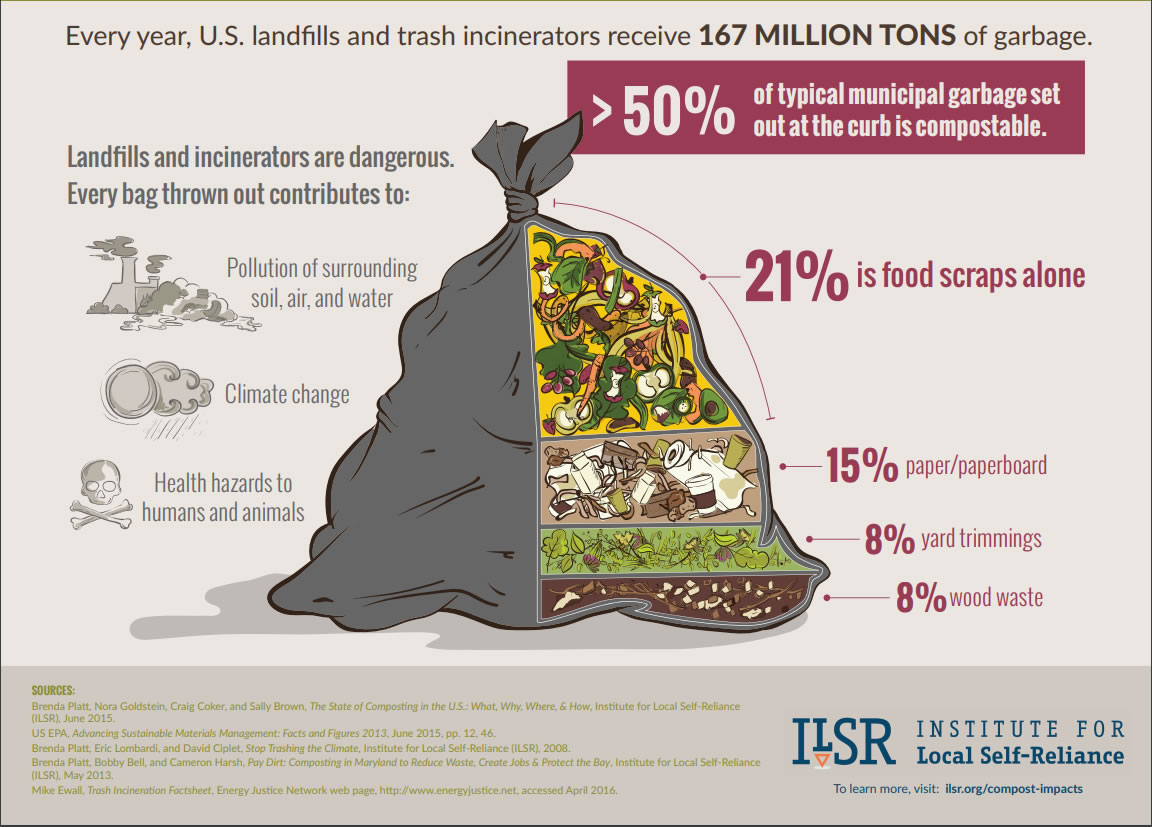
“Composting Food Waste: Keeping a Good …” from www.epa.gov and used with no modifications.
Frequently Asked Questions About Landfills in the Future
As waste management systems evolve, many people have questions about what happens to materials after disposal and how future approaches will differ from current practices. Understanding these processes helps consumers make more informed decisions about consumption and disposal while providing context for policy discussions.
The transition away from landfill dependency raises important questions about technical feasibility, economic impacts, and environmental outcomes. The answers often vary by region and material type, reflecting the complex, interconnected nature of waste management systems and the importance of locally appropriate solutions.
How long do landfills last before they’re full?
Landfill lifespans vary dramatically based on size, design, and incoming waste volumes. Modern regional landfills typically project operational periods of 15-30 years at current disposal rates, though these estimates frequently change as consumption patterns and diversion rates evolve. Sites in densely populated areas with limited expansion potential may reach capacity more quickly, while facilities in rural regions can sometimes operate for 50+ years. Many facilities extend their functional lifespans through compaction technology, vertical expansion, and diversion programs that reduce incoming volumes. Once filled, landfills require post-closure monitoring and maintenance for at least 30 years under current regulations, though environmental impacts often persist much longer.
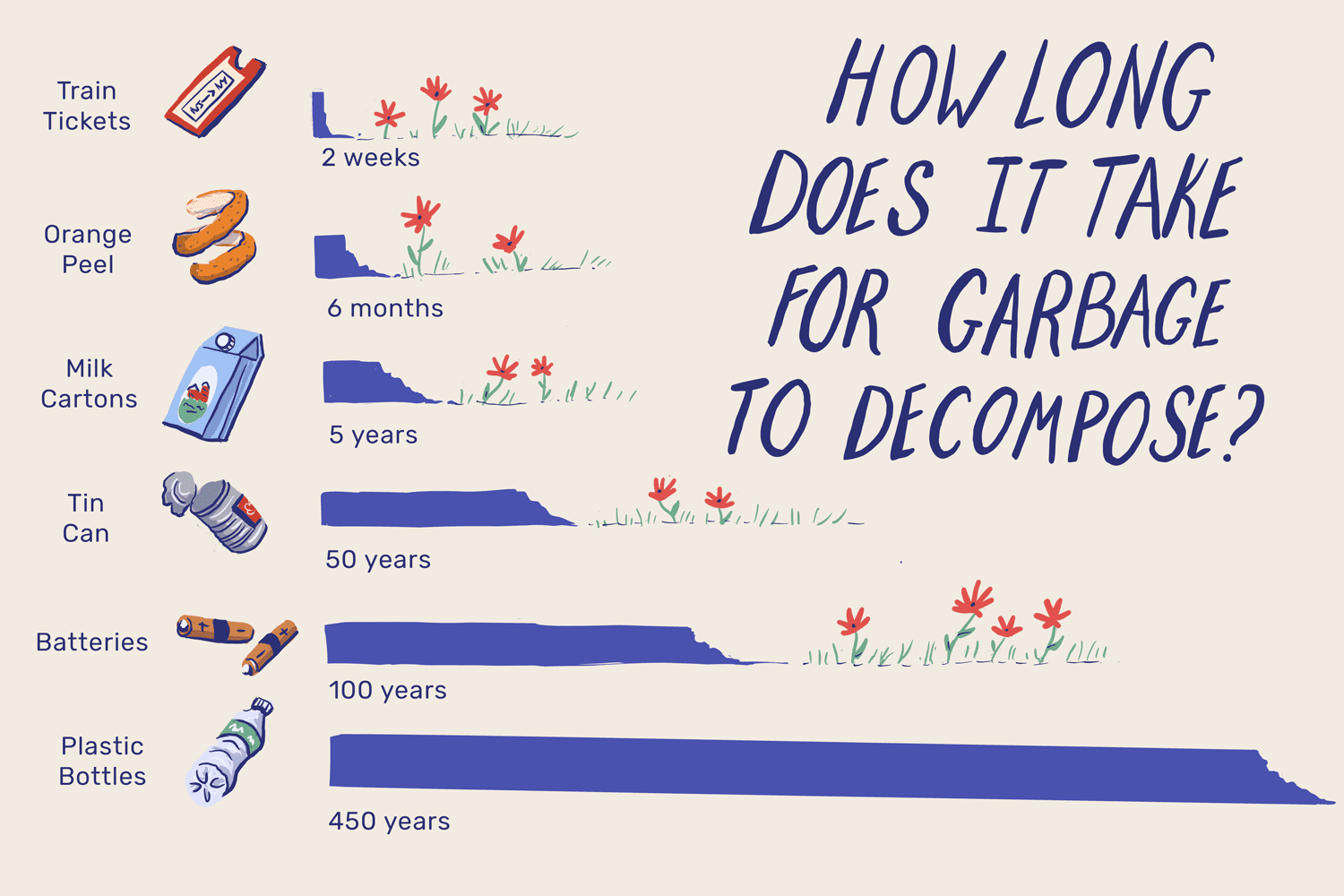
“How Long Does It Take Garbage to Decompose?” from www.liveabout.com and used with no modifications.
What happens to plastic in landfills over time?
Conventional plastics remain remarkably stable in landfill environments, with most synthetic polymers degrading extremely slowly under anaerobic (oxygen-free) conditions. Studies examining decades-old landfill excavations have found plastic bags and packaging still intact and readable after 40+ years. While plastics eventually break into smaller fragments through physical processes and limited chemical degradation, complete decomposition may take centuries or even millennia, depending on the specific polymer type and environmental conditions. This persistence creates both long-term management challenges and potential future recovery opportunities as plastics essentially remain in storage rather than truly degrading.
Biodegradable and compostable plastics present different challenges in landfill environments. Without the oxygen, microbial activity, and temperature conditions found in composting facilities, these materials often degrade only marginally faster than conventional plastics when landfilled. Some may produce higher methane emissions during their partial breakdown, potentially increasing climate impacts if this gas isn’t properly captured. This reality underscores why even advanced bioplastics should be composted in appropriate facilities rather than landfilled.
Can old landfills ever be completely safe for development?
Former landfill sites can be safely redeveloped for certain uses with proper engineering controls and ongoing monitoring, though complete remediation to unrestricted use standards is extremely difficult and prohibitively expensive in most cases. Successful redevelopment projects typically incorporate gas management systems, engineered caps to prevent water infiltration, and barrier systems to prevent direct contact with waste materials. The most appropriate end uses include parks, solar farms, golf courses, and other recreational facilities with limited structures and extensive open space. Commercial development is sometimes possible with specialised foundation systems that prevent gas intrusion, while residential use generally remains restricted due to higher safety standards and longer exposure periods. For more insights on the future of these sites, you can explore the future of landfills and waste disposal sites.
The key to safe redevelopment lies in comprehensive site characterisation, appropriate risk assessment, and engineering controls specifically designed for site conditions and intended uses. Projects require long-term monitoring and institutional controls to ensure systems continue functioning as designed. As remediation technology advances, more intensive redevelopment may become feasible, but some level of restriction will likely remain appropriate for most former landfill sites indefinitely.
Which countries have successfully eliminated landfills?
While no country has completely eliminated landfill disposal, several European nations have reduced landfilling to less than 5% of municipal waste through integrated strategies combining waste prevention, recycling, composting, and waste-to-energy systems. Sweden, Switzerland, Germany, Denmark, Belgium, the Netherlands, and Austria have achieved landfill diversion rates exceeding 95% for municipal waste. These nations typically employ a combination of policy approaches, including landfill taxes, material-specific disposal bans, mandatory separate collection of organic waste, and producer responsibility requirements for packaging and other products. The remaining small percentage of materials still requiring disposal typically consists of treatment residues from recycling processes, pollution control residues from waste-to-energy facilities, and certain hazardous materials with no current recovery options.
Japan has also achieved remarkable landfill diversion despite space constraints, using a combination of advanced material recovery, waste-to-energy systems, and innovative processing technologies like plasma gasification. Their approach emphasises material-specific strategies with different processing pathways for different waste components, resulting in overall landfill rates below 10%. These success stories demonstrate that dramatic reductions in landfill dependency are achievable with existing technologies when supported by appropriate policy frameworks and infrastructure investments.
How will climate change affect existing landfill sites?
Climate change poses several significant challenges for landfill management, particularly through changing precipitation patterns and extreme weather events. More frequent and intense rainfall in many regions will increase leachate generation, potentially overwhelming collection systems designed for historical precipitation patterns. This increased moisture can accelerate waste settlement and potentially compromise cap integrity while increasing the risk of contaminant migration. Conversely, regions experiencing extended droughts may face challenges with dust control, vegetative cover maintenance, and increased fire risks in landfill operations. For more insights on this topic, you can explore the future of landfills and waste disposal sites.
Rising sea levels present particularly serious threats to coastal landfills, many of which were sited in low-lying areas near water bodies. Studies identify thousands of landfills globally at risk of coastal flooding or erosion as sea levels rise, potentially releasing contaminants into marine environments. These climate impacts will necessitate significant adaptation measures for both active and closed sites, including enhanced stormwater management systems, more robust containment designs, and in some cases, relocation of waste from vulnerable locations. The changing climate underscores the importance of moving away from landfill dependency toward more resilient waste management systems based on material recovery and circular economy principles.
As we confront these challenges, organisations like PROMETHIUM are developing the monitoring technologies and management strategies needed to minimise environmental impacts while transitioning to more sustainable systems. The future of waste management lies not in better landfills, but in fundamentally rethinking our relationship with materials to eliminate the concept of waste altogether. For more insights on this topic, you can explore how the future of landfills and waste disposal sites is evolving.
The future of landfills is a topic of growing concern as the world becomes more environmentally conscious. One major issue is the decomposition rate of materials, such as plastic, which can take hundreds of years to break down. This slow decomposition contributes to the growing size of landfills and environmental pollution. Understanding how long plastic takes to decompose is crucial for developing better waste management strategies and reducing landfill dependency.
Inert Waste and How to Find an Inert Waste Landfill Near You
Inert waste means “waste that does not undergo any significant physical, chemical or biological transformations”. Inert waste will not dissolve, burn or otherwise physically or chemically react, biodegrade or adversely affect other matter with which it comes into contact in a way likely to give rise to environmental pollution or harm to human health. The total […]

How Long Does Plastic Take to Decompose in a Landfill?
Most plastics in landfills take hundreds of years to decompose. Without sunlight or oxygen, plastic waste breaks down into harmful microplastics. Modern landfill excavations reveal intact plastics from decades ago. Understanding this timeline helps make informed choices about plastic consumption and disposal habits…

Can You Visit a Landfill Site in the UK?
Can You Visit a Landfill Site in the UK? Have you ever wondered if you can visit a landfill site in the UK? Many people think about what happens to their rubbish after it gets taken away. So, why not go and see one? Not an old one, long since covered in soil and made […]
Unfashionable Talk About Landfills
Get ready for unfashionable talk about landfills! Let’s talk rubbish—literally. You might not think about landfills much unless the smell drifts your way on a windy day or you’re tossing out the garbage. But these dumping grounds are more than just piles of junk; they’re a snapshot of our consumer habits and a challenge we need to tackle. Landfill […]